

Dog Collar vs Harness: What’s Best for Your Dog
The short answer to harness vs. collar for dogs is that neither wins outright. A collar suits calm, well-trained dogs and everyday ID tags. A harness is safer for dogs that pull, have a sensitive neck, or are still learning leash manners. Most vets and trainers recommend using both together rather than picking one.
Quick Verdict
| Factor | Collar | Harness |
| Best for | Calm, well-trained dogs; everyday ID | Dogs that pull, puppies, and small or brachycephalic breeds |
| Pressure point | Neck | Chest and shoulders |
| Convenience | Can stay on all day | Usually on and off for walks |
| Control on walks | Lower with strong pullers. | Often better for managing pulling, especially with a front-clip design |
| Cost | Generally cheaper | Generally more expensive |
| ID tags | Best place to keep them | Less practical for daily tags |
When a Collar Is Better
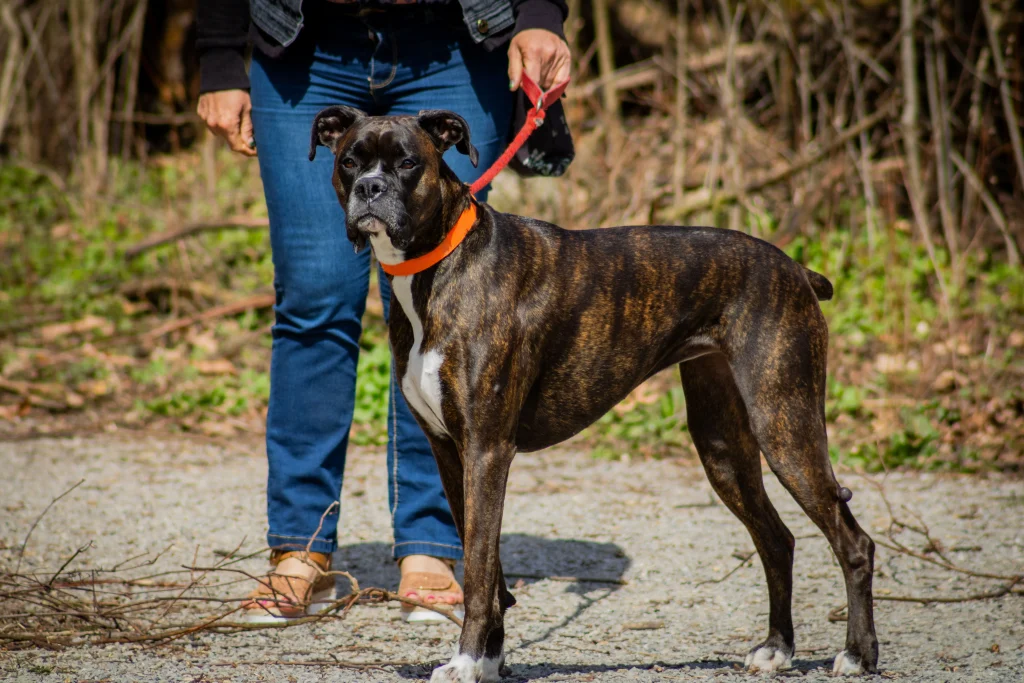
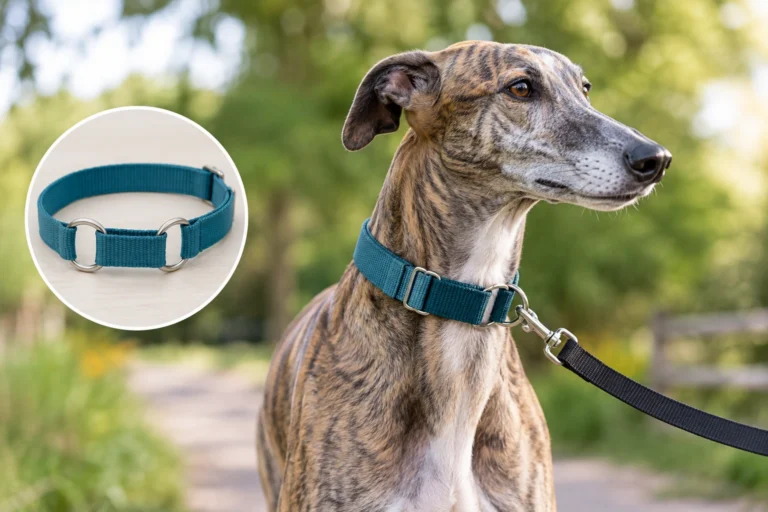
A flat collar works well for dogs that already walk politely and don’t lunge. Collars are simple, lightweight, and the standard place for ID tags, since a harness that comes on and off daily isn’t a reliable spot for permanent identification. If your dog has a history of backing out of a flat collar, a martingale collar solves that without switching to a harness. See our dog collar sizing guide for the fit.
When a Harness Is Better

A harness spreads leash pressure across the chest and shoulders instead of the neck, which matters most here:
● Dogs that pull. A front-clip harness redirects a pulling dog back toward the handler.
● Small and toy breeds. More delicate necks and windpipes mean a sudden pull carries more strain.
● Brachycephalic breeds. Pugs, French Bulldogs, and other short-nosed breeds already have restricted airways.
● Dogs prone to tracheal collapse. A harness removes pressure from the neck entirely.
● Puppies learning leash manners. Gentler on a growing neck and joints while habits are still forming.
Our best large dog harness and best small dog harness guides cover picks for each end of the spectrum.
Collar Types, Briefly
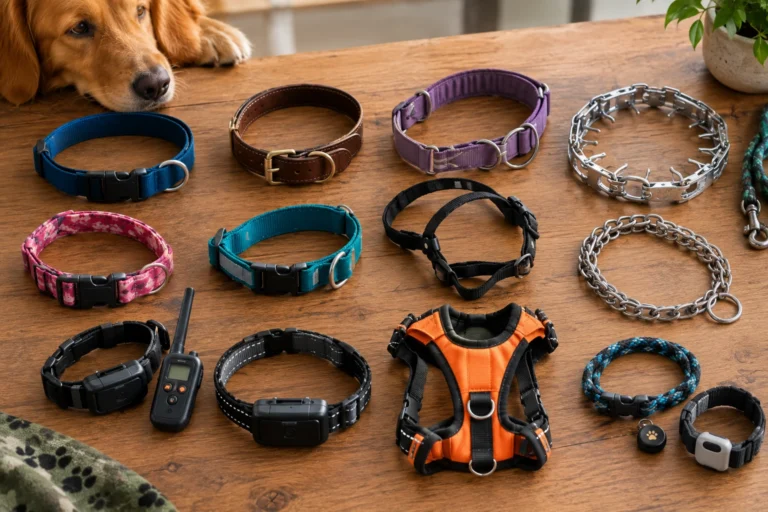
Flat collars are simplest, with a buckle and a tag ring. Martingale collars tighten gently to prevent escape without choking, a standard for narrow-headed breeds like Greyhounds. Prong, choke, and electronic collars are more controversial correction tools, effective under experienced guidance but carrying real injury risk if misused, so most trainers default to a martingale or front-clip harness first.
Harness Types, Briefly

Back-clip harnesses suit calm dogs and puppies starting leash training. Front-clip harnesses attach at the chest and redirect a pulling dog most effectively. Dual-clip harnesses include both, giving flexibility between everyday walking and active control.
Can You Use Both?
Yes, and it’s the most common setup among experienced owners. The collar stays on full time with ID tags, while the harness handles the actual leash pressure during walks. One covers safety, the other covers comfort.
Conclusion
There’s no universal winner. A collar suits a calm, well-trained dog and everyday ID. A harness is safer for pullers, puppies, small or brachycephalic breeds, and any dog with neck sensitivity. Most owners get the best of both by keeping a collar on for ID and switching to a harness for walks.
Frequently Asked Questions
Q: Is a harness safer than a collar for dogs that pull?
A: Yes. A front-clip harness spreads pressure across the chest, reducing neck strain in dogs that pull hard.
Q: Should puppies wear a collar or a harness?
A: A harness, generally. It’s gentler on a developing neck. Many owners still keep a collar on for ID.
Q: Can a dog wear a collar and a harness together?
A: Yes, and it’s common. The collar holds ID tags, while the harness takes the leash pressure on walks.
Q: Do vets recommend a harness over a collar?
A: Often, for dogs that pull, small or brachycephalic breeds, and any dog with neck or tracheal issues.
Q: What collar works best for a dog that backs out?
A: A martingale collar. It tightens gently under tension, then loosens once the dog stops pulling.
Q: Is a harness more expensive than a collar?
A: Usually yes, since it uses more material and a more complex design than a simple flat collar.


11 Comments