
What Is a Dog Harness? [The Complete Beginner Guide]
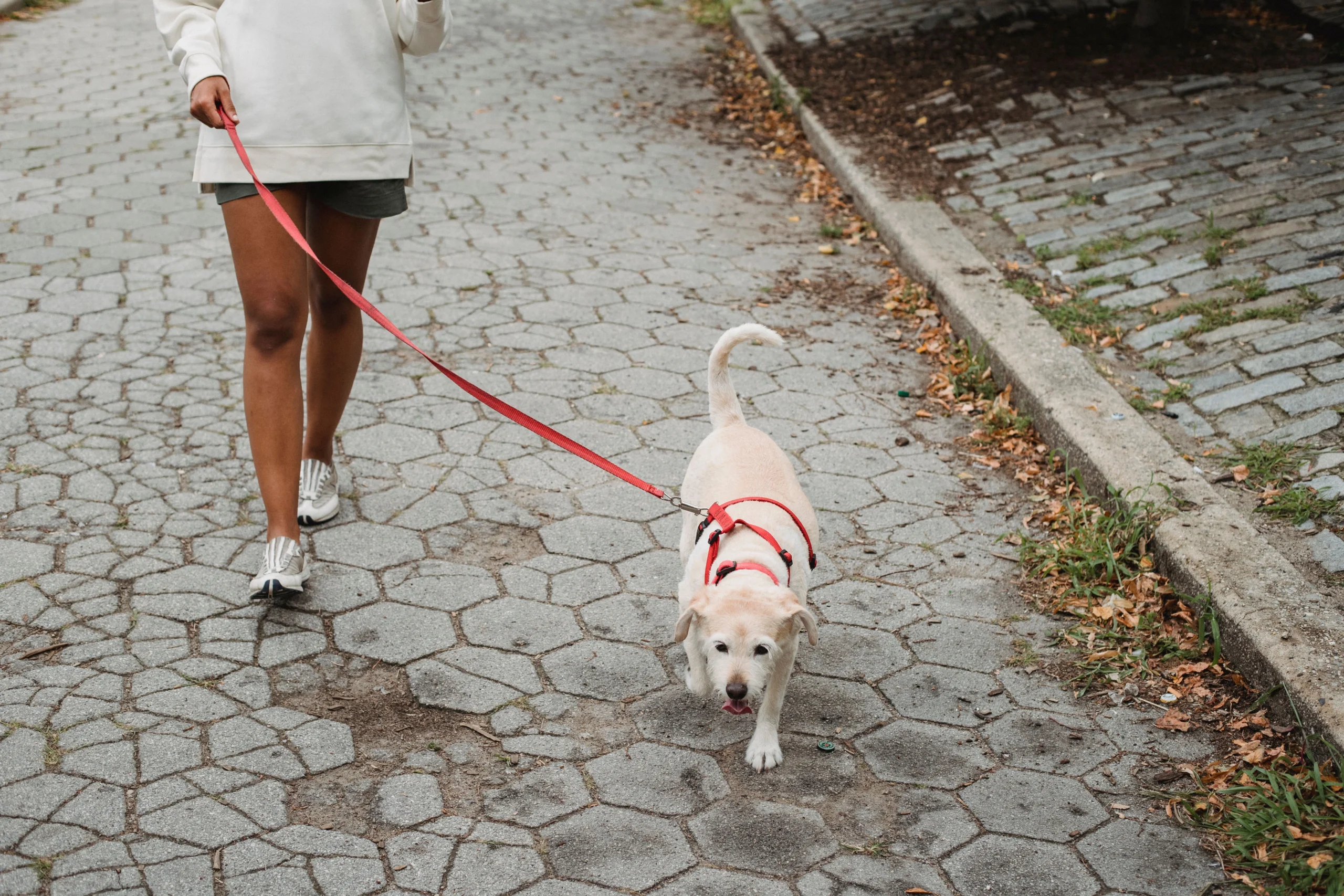
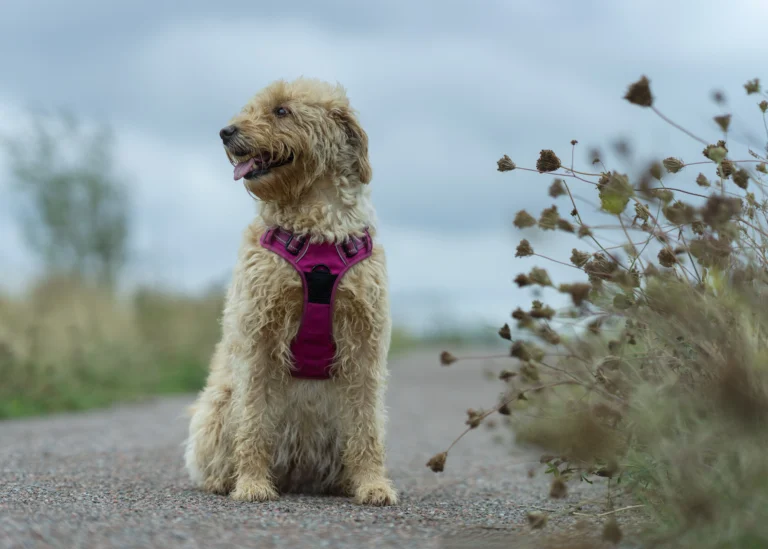
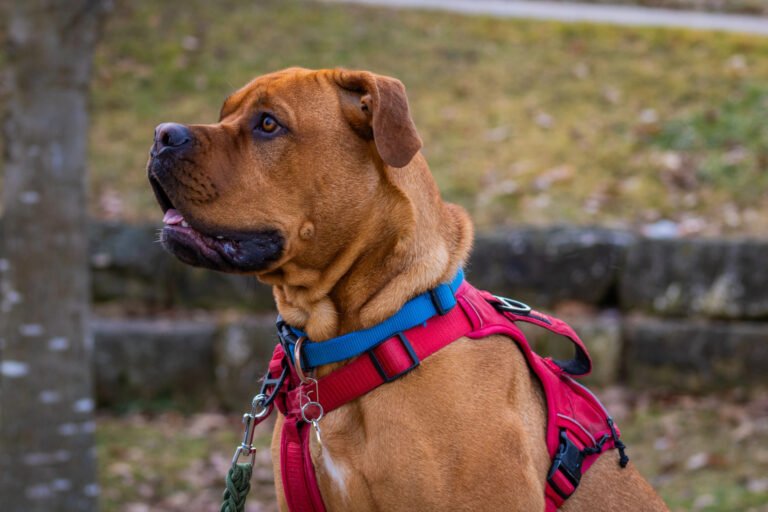
A dog harness is a set of straps that wraps around the chest and torso instead of the neck, with a ring where the leash clips on. Pull on a leash attached to a harness, and the force spreads across the shoulders and ribcage. Pull on a leash attached to a collar, and it all lands on the throat.
That single difference is why harnesses have become the default recommendation for most dogs, not just ones that pull.
Why a Harness Instead of a Collar
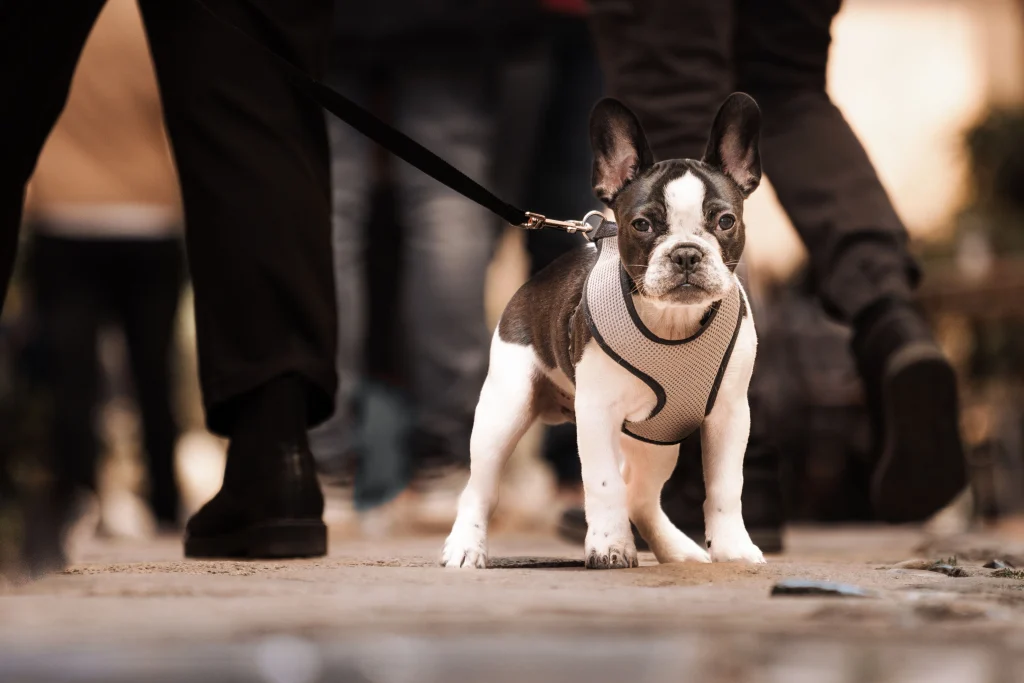
A collar concentrates every ounce of leash pressure on a narrow band across the windpipe. For a calm dog that never tests the leash, that’s rarely a problem. For a dog that lunges, pulls, or has a sensitive throat, it can mean coughing, gagging, or real strain over time.
A harness removes that risk almost entirely by moving the pressure to the chest and shoulders, an area built to handle force. This matters most for brachycephalic breeds like Pugs and French Bulldogs with already restricted airways, small and toy breeds with delicate windpipes, puppies still learning leash manners, and any dog with a history of tracheal issues. For a full side-by-side, see our harness vs collar for dogs comparison.
The Main Harness Types
Back-clip harnesses
Back-clip harnesses Attach the leash between the shoulder blades. Simple and comfortable, but they do little to stop a dog from pulling, since the dog can lean into the pressure the same way they would against a collar.
Front-clip harnesses
Front-clip harnesses Attach at the chest instead. When a dog pulls forward, the leash steers them sideways rather than letting them drag ahead, which is why these are labeled no-pull harnesses. See our best no-pull dog harness guide for picks.
Dual-clip harnesses
Dual-clip harnesses offer both attachment points, front for training and back for calm, everyday walks, giving one harness that adapts as leash manners improve.
Step-in harnesses
Step-in harnesses lie flat on the ground as two loops. The dog steps in with both front paws, and the harness lifts and clips at the back, which avoids anything going over the head.
Head halters
A head halter fit around the muzzle rather than the body, steering the head directly. They give the most control for very strong pullers but need a gradual introduction, since most dogs resist them at first.
How to Tell If Your Dog Needs One
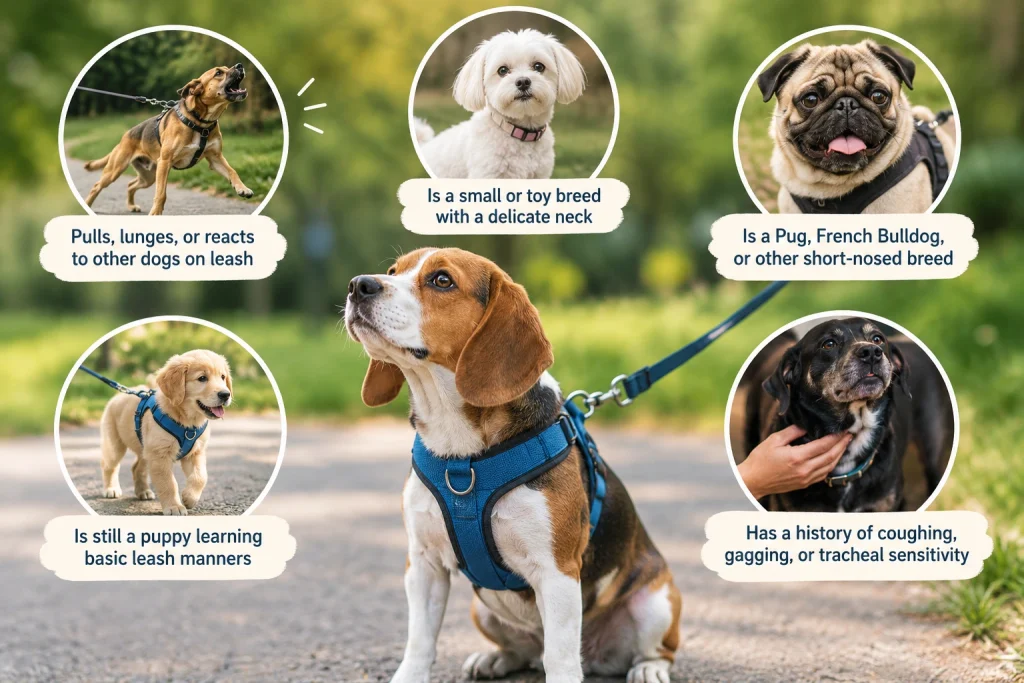
If your dog already walks politely on a flat collar, a harness is optional rather than essential. If any of these apply, a harness is the safer default:
● Pulls, lunges, or reacts to other dogs on leash
● Is a small or toy breed with a delicate neck
● Is a Pug, French Bulldog, or other short-nosed breed
● Is still a puppy learning basic leash manners
● Has a history of coughing, gagging, or tracheal sensitivity
Sizing Basics
Harnesses are sized by chest girth, measured around the widest part of the ribcage just behind the front legs, not by weight or breed alone. Two dogs at the same weight can need different sizes depending on body shape. Once fitted, apply the standard two-finger rule: two fingers should slide comfortably under any strap.
Our best small dog harness and best harness for large dogs guides cover picks sized for each end of the spectrum, and our how-to put a harness on a small dog guide covers the fitting process step by step.
A Harness Doesn’t Replace a Collar Entirely
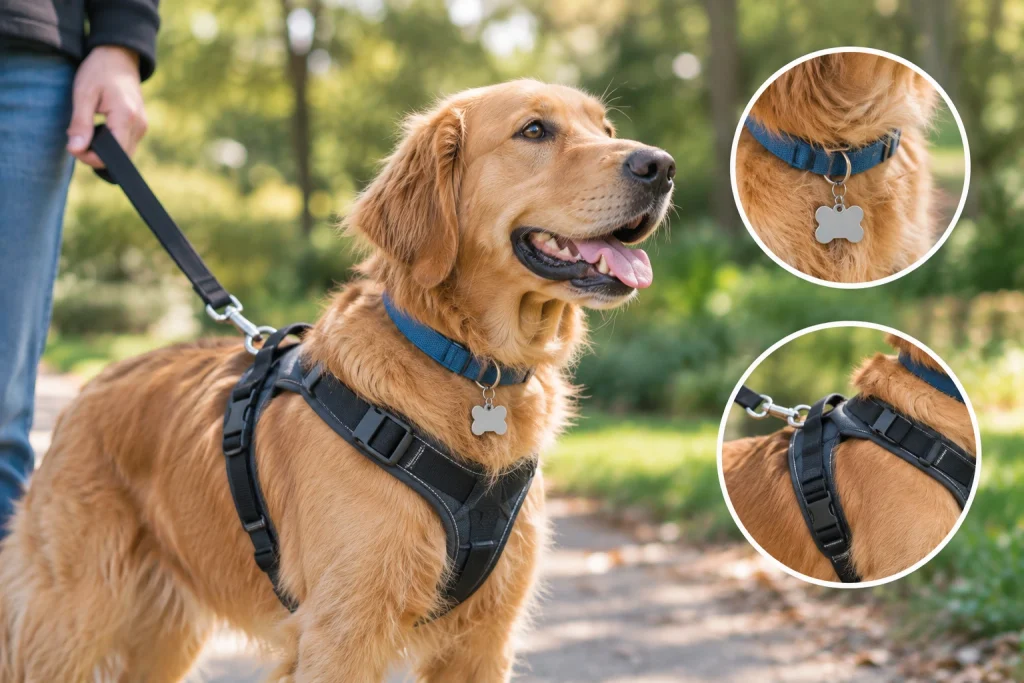
Most owners use both. The collar stays on full-time holding ID tags, since a harness that comes on and off for walks isn’t a reliable place for permanent identification. The harness goes on specifically for walks and handles the actual leash pressure. One covers safety, the other covers comfort.
Conclusion
A dog harness moves leash pressure from the neck to the chest and shoulders, which is safer for pullers, small breeds, brachycephalic dogs, and puppies still learning leash manners. The right type depends on the problem you’re solving: a back clip for calm dogs, a front clip for pullers, a step-in for head-shy dogs, and a head halter for the strongest pullers under proper guidance.
Frequently Asked Questions
Q: What does a dog harness actually do?
A: It moves leash pressure from the neck to the chest and shoulders, reducing strain on the throat compared to a collar.
Q: Is a harness better than a collar for daily use?
A: For walks, generally yes. Keep a collar on for ID tags, and use the harness for the leash.
Q: Which harness type stops pulling best?
A: A front-clip harness. It steers a pulling dog sideways instead of letting them drag forward.
Q: How do I size a dog harness?
A: Measure chest girth just behind the front legs, not weight or breed. Check for two-finger clearance once fitted.
Q: Do puppies need a harness?
A: Most trainers recommend one. It’s gentler on a developing neck while leash manners are still forming.
Q: Can small dogs wear the same harness type as large dogs?
A: The types are the same, but sizing and strap width differ. Small dogs need narrower, lighter builds.

2 Comments