What Is a No-Pull Harness? How It Works
A no-pull harness is built around one mechanical idea: move the leash attachment from the back to the chest, and a dog that lunges forward gets turned sideways instead of dragging you along. No shock, no pain, just physics working against the pull.
The Mechanism, Not the Marketing

Clip a leash to a back-clip harness and a pulling dog has something solid to lean into, the same way a sled dog leans into a harness built for pulling. The force runs straight back, and the dog’s full body weight works against you.
Move that same clip to the chest, and the geometry changes completely. When the dog surges forward, leash tension pulls from the front, rotating the dog’s body toward the handler instead of letting them drive straight ahead. The dog can’t get their weight behind the pull anymore, so the forward motion stalls out. That’s the entire mechanism. No correction, no stimulation, just a change in where the force lands.
Most designs use a Y-shaped or X-shaped chest panel to spread that redirected force across the chest instead of pinching one spot and keep it away from the throat entirely.
Does It Actually Stop Pulling, or Does It Just Suppress It?
This is the honest answer most product pages skip. A no-pull harness works immediately and noticeably, which is exactly why it’s popular. But the mechanism is suppression, not training. The dog learns that pulling doesn’t work mechanically while the harness is on, not that loose-leash walking is the goal.
Take the harness off, and the pulling typically returns unchanged, because nothing about the dog’s underlying habit was addressed. That doesn’t make the harness a bad tool. It means it works best as a management tool paired with real leash training, not a standalone fix you can install and forget.
Front-Clip vs Dual-Clip vs Dual-Connection
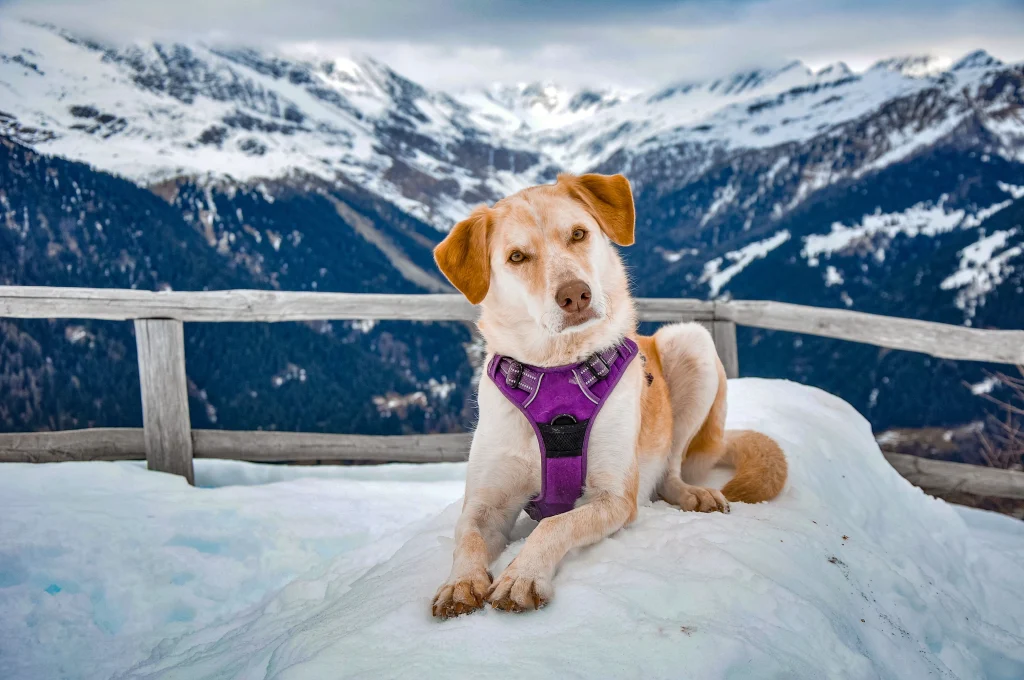
Front-clip-only harnesses put the entire redirect mechanism at the chest. Simple, effective for most dogs, and the most common design. See our best no-pull dog harness guide for picks.
Dual-clip harnesses add a back ring alongside the front one, letting you switch between an active redirect for training and a calmer back clip for dogs that have already improved.
Dual-connection designs, sometimes using a martingale-style loop across the back plus a front ring, split the correction across two points at once, aimed at especially strong or determined pullers.
Sizing Still Matters More Than the Mechanism
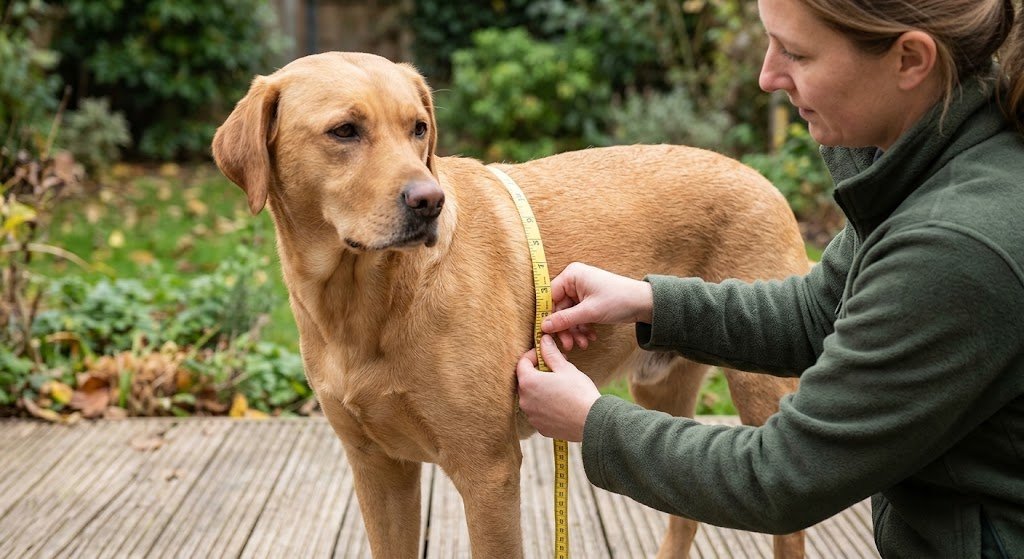
A no-pull harness that doesn’t fit loses most of its effect. Size by chest girth, measured just behind the front legs, and apply the standard two-finger rule once buckled. A harness that shifts or rides up during a walk stops redirecting properly no matter how good the design is. Our best small dog harness and best harness for large dogs guides cover picks by size, and our best no-pull harness for small dogs and best no-pull harness for large dogs guides cover the front-clip design specifically at each end of the spectrum.
Conclusion
A no-pull harness works by relocating the leash clip to the chest, which turns a pulling dog sideways instead of letting them drag forward. It’s a genuinely effective mechanical fix, and it’s also a management tool rather than a training solution. Pair it with basic loose-leash training and a correct fit, and it does exactly what it’s designed to do.
Frequently Asked Questions
Q1: Does a no-pull harness work the same for every dog breed?
A: Not identical. Dogs with short necks, deep chests, or brachycephalic builds redirect less cleanly than average builds, so fit and strap placement matter more for those breeds than the mechanism itself.
Q2: Can a no-pull harness affect my dog’s shoulders or gait?
A: Yes, if it fits wrong. Published gait studies show front-clip and Y-front designs reduce shoulder extension compared to no harness at all, which is why correct chest strap placement above the shoulder joint matters.
Q3: How soon will I see less pulling after switching?
A: Often within the first few walks, since the harness interrupts pulling mechanically from day one. Lasting change in the underlying habit still depends on consistent loose-leash training alongside it.
Q4: Is a no-pull harness safe for a puppy that is still growing?
A: Use caution. A puppy’s shoulder growth plates are still developing, and vets note front-clip designs can restrict natural gait during that window, so short sessions and breaks from the harness matter more than for adults.
Q5: Can a strong dog back out of or escape a no-pull harness?
A: Rarely, if it’s fitted correctly. Escape usually traces back to a loose girth strap rather than the harness design itself, so the two-finger test before every walk matters more than the brand.
Q6: Do no-pull harnesses help with lunging at other dogs, not just pulling?
A: Not directly. The chest redirect works on forward pulling force, but lunging at other dogs is a behavioral reaction that needs training or management separate from whatever harness is on the dog.