
How to Put an E-Collar on a Dog: Fit Before Level
Most e-collar training problems trace back to one thing: the fit, not the level. How to put an e-collar on a dog correctly comes down to three checks, contact point length, placement high on the neck, and tension, done before the collar is ever powered on.
Choose the Right Contact Points First
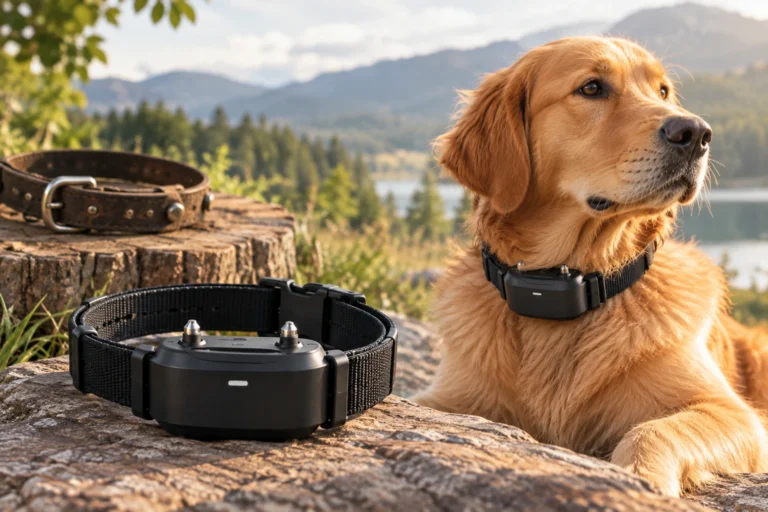
Contact points are the two probes that touch the skin to deliver the signal, and they come in different lengths for a reason. Short-coated dogs need short contact points. Thick or double-coated breeds need longer ones that reach through the fur to actual skin.
Get this wrong and the signal becomes inconsistent, since the probes make contact sometimes and not others. That inconsistency is what tempts owners to raise the stimulation level, when the real problem was never the level at all.
Position It High on the Neck, to the Side
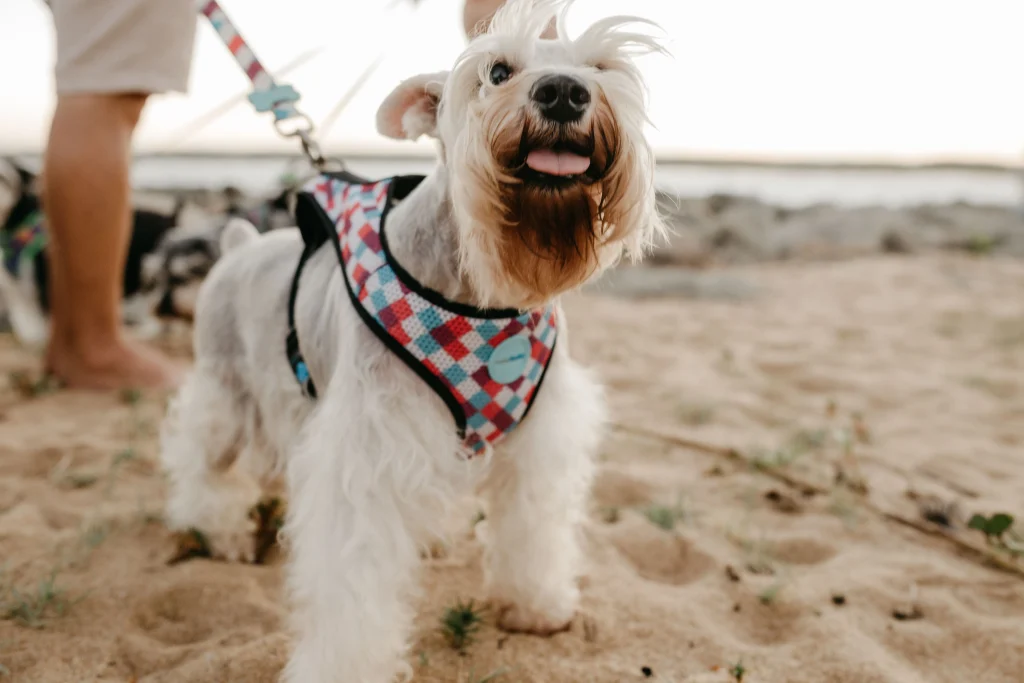
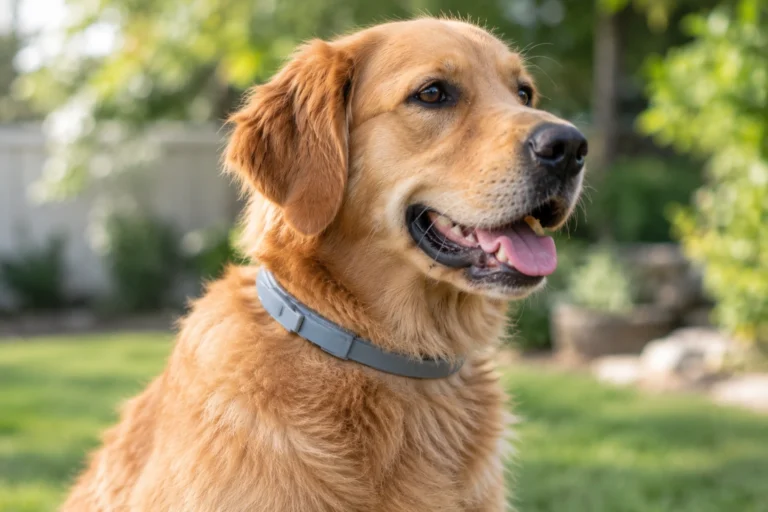
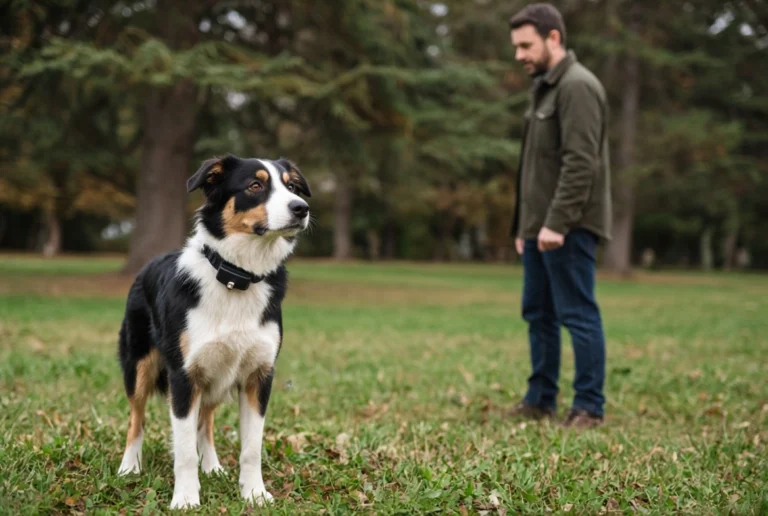
Unlike a flat collar, which sits centered at the front of the throat, an e-collar goes higher on the neck and to the side, just below the jaw rather than centered. This placement keeps the contact points against skin that stays in consistent contact as the dog moves its head, rather than shifting away from the throat’s center.
The Two Tests That Actually Confirm a Good Fit
The two-finger test. Once buckled, you should be able to slide two fingers flat under the strap. Tighter risks skin irritation. Looser breaks consistent contact.
The wiggle test. Try to rotate the collar around the neck. It shouldn’t spin freely. If it does, the contact points won’t stay in the same spot as the dog moves, which means inconsistent signal delivery no matter how well you’ve dialed in the stimulation level.
Both tests matter together. A collar can pass the two-finger test and still rotate freely if it’s positioned wrong.
Check Contact Under the Fur, Not Just the Strap
Lift the fur where the contact points sit and confirm they’re touching skin directly, not resting against a mat of hair. This is especially easy to miss on double-coated breeds, where the undercoat can hold the probes away from the skin even when the collar looks snug from the outside.
Introduce It Before You Ever Turn It On
Fit comes first, but comfort takes longer. Put the collar on, unpowered, for several short sessions over the first few days so wearing it becomes as routine as putting on a flat collar. Rushing straight to the first stimulation session on a dog that’s never worn the hardware before adds stress that has nothing to do with the training itself.
Preventing Skin Irritation
Even a correct fit needs occasional adjustment. Reposition the collar slightly every few hours during extended wear so the same patch of skin isn’t under constant pressure. Too tight for too long can cause what’s sometimes called pressure necrosis, essentially a pressure sore from sustained contact.
After swimming or exposure to wet conditions, remove the collar and let the skin dry before putting it back on. Check the area regularly, and if you see redness or irritation, give the skin a break before continuing.
Conclusion
A correctly fitted e-collar sits high on the neck with the right length contact points making direct skin contact, passes both the two-finger and wiggle tests, and gets introduced gradually before any stimulation begins. Most training inconsistency that gets blamed on the dog or the level actually traces back to a fit problem. For the mechanism behind what the collar does once it’s on correctly, see our how do shock collars work guide, and our what is an e-collar for dogs guide covers finding the right stimulation level.
Frequently Asked Questions
Q: Where should an e-collar sit on a dog’s neck?
A: High on the neck and to the side, just below the jaw, not centered at the front like a flat collar.
Q: How do I know if my dog’s e-collar fits correctly?
A: Two fingers should fit flat under the strap, and the collar shouldn’t rotate freely when you try to spin it.
Q: What contact points should I use for a thick-coated dog?
A: Longer contact points that reach through the fur to the skin. Short points work fine on smooth-coated breeds.
Q: How long can a dog wear an e-collar safely?
A: Reposition it every few hours during extended wear, and remove it after swimming until the skin is dry.
Q: Should I turn on the e-collar the first time my dog wears it?
A: No. Introduce it unpowered for several short sessions first so wearing it feels routine before any stimulation begins.
Q: What causes skin irritation from an e-collar?
A: Usually a fit that’s too tight for too long in one spot, or contact points left against damp skin after swimming.


One Comment