What is a bark collar? How They Actually Work
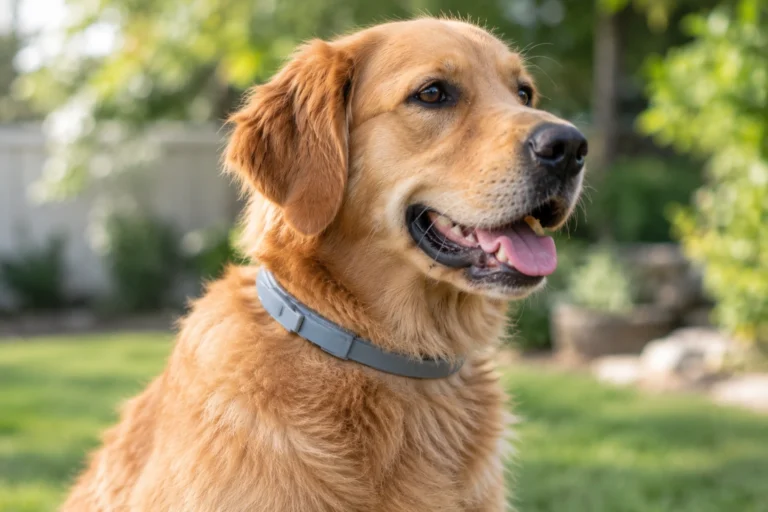
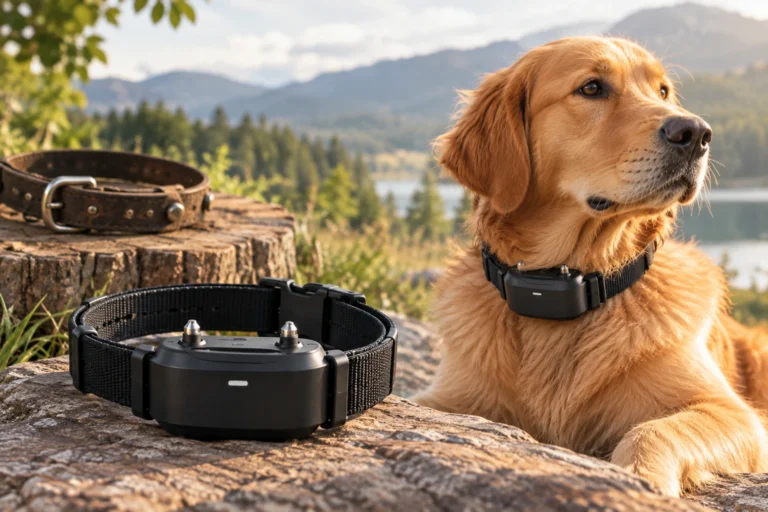
What is a bark collar? It’s a training device worn on the neck that detects your dog’s barking and automatically delivers a correction, which can be a beep, vibration, spray, ultrasonic tone, or mild static pulse. Unlike a remote training collar, you don’t press anything. The collar responds on its own, within a fraction of a second of the bark.
That timing is the entire point. Even the most attentive owner can’t correct a behavior as instantly as the dog performs it.
How Does the Collar Know Your Dog Is Barking?
Detection happens in one of three ways, and this is where cheap collars fail.
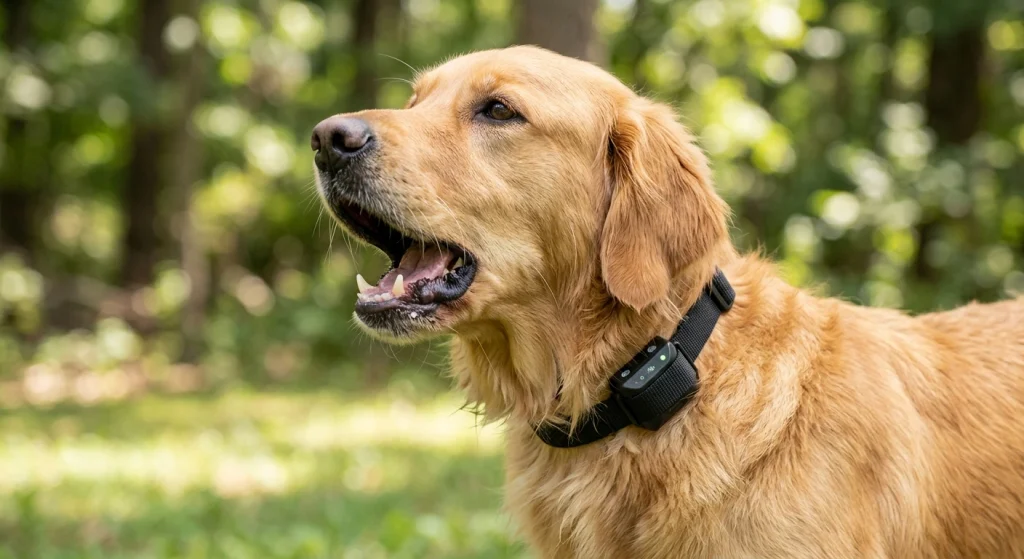
A microphone (sound only) picks up the sound of a bark. It’s the least reliable because a neighbor’s dog, a doorbell, or a passing truck can trigger it.
The vibration sensor detects the movement of your dog’s vocal cords through the collar’s contact points. It’s more accurate because it responds only to your dog’s own throat.
The dual sensor requires both sound and throat vibration together before correcting. This is the most reliable design, and it’s why better collars cost more.
A collar that misfires on ambient noise doesn’t teach your dog anything except confusion, which is why detection accuracy matters more than correction strength.
The Four Correction Types
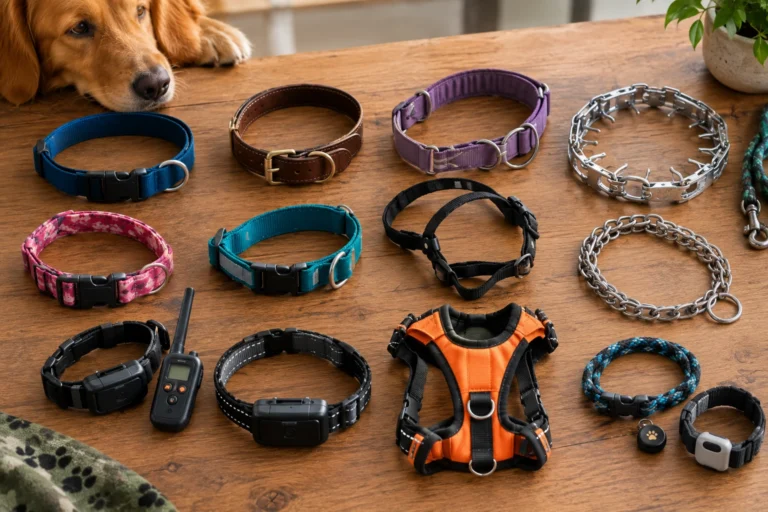
Beep or tone. An audible alert with no physical sensation. The gentlest option, and often enough for sensitive dogs.
Vibration. A buzz against the neck, similar to a phone vibrating. A common middle ground and the standard choice for deaf dogs.
Spray. Releases a burst of citronella or unscented mist near the muzzle. Startling rather than uncomfortable.
Static. A brief, adjustable electrical stimulation. The most effective for persistent barkers, and the most commonly misused.
No single type works for every dog. If one isn’t producing results after a couple of weeks, switching types usually works better than increasing intensity.
Bark Collar vs. E-Collar: The Key Difference
The simplest difference: a bark collar reacts to barking automatically, while an e-collar is controlled by the owner.
These get confused constantly. A bark collar activates automatically when it detects barking. An e-collar is remote-controlled, meaning the owner presses a button.
Same underlying technology in some cases, but completely different purposes. A bark collar addresses one behavior. An e-collar is a general training and recall tool. Our What Is an e-collar for dogs guide covers that category separately.
What Vets Actually Say About Them

Most vets recommend a bark collar only when the dog barks excessively and other training methods have already failed. Their reasoning is worth understanding.
Dogs bark for different reasons: alerting, boredom, excitement, territorial response, or anxiety. A collar corrects the sound but doesn’t address the cause. If a dog is barking from separation anxiety, suppressing the bark without treating the anxiety can make the underlying stress worse rather than better.
The other standard veterinary point: rewarding quiet behavior tends to work more reliably than punishing noise.
Fitting It Correctly
The collar must sit snug enough for the contact points to touch the skin, high on the neck. A loose collar causes inconsistent contact, so the correction fires unpredictably, and that inconsistency confuses dogs.
Apply the standard two-finger check, and reposition the collar every couple of hours during wear to avoid pressure sores. Our dog collar sizing guide covers measuring technique.
Who Shouldn’t Use One?
Puppies. Most manufacturers set a minimum age and weight, commonly around 6 months and 8 pounds.
Anxious or fearful dogs. Correction on top of anxiety tends to escalate the problem.
Deaf dogs. Sound-based detection won’t work reliably, though vibration-based models can.
Dogs barking from pain or illness. A vet visit comes first.
When a bark collar is appropriate, our best dog bark collar guide compares detection types across sizes, and our best bark collar for small dogs guide covers properly calibrated small-breed options.
Conclusion
A bark collar is a tool, not a cure. It gives instant, consistent feedback that a human can’t match, but it works on the symptom rather than the reason. Used with correct fit, the right correction type, and alongside actual training, most dogs respond within one to two weeks. Used as a standalone fix on a dog barking from anxiety, it tends to make things worse.
Frequently Asked Questions
Q: How does a bark collar know it’s my dog barking?
A: Better collars use a dual sensor requiring both sound and throat vibration. Sound-only models can misfire on other dogs or household noise.
Q: Are bark collars safe for dogs?
A: Generally yes for healthy adult dogs when fitted correctly and used at low settings. Puppies, anxious dogs, and dogs barking from pain are poor candidates.
Q: Which bark collar correction type is best?
A: There’s no universal best. Beep and vibration suit sensitive dogs, while static works better on persistent barkers. Switch types before raising intensity.
Q: How long does a bark collar take to work?
A: Most dogs show noticeable improvement in one to two weeks of consistent use, though results depend on why the dog is barking.
Q: Can my dog wear a bark collar all day?
A: No. Most manufacturers advise no more than 8 to 12 hours in 24, with the collar repositioned every couple of hours to prevent sores.
Q: What’s the difference between a bark collar and an e-collar?
A: A bark collar activates automatically when it detects barking. An e-collar is remote-controlled by the owner for general training.