
5 Best No-Pull Harness for Small Dogs (2026)
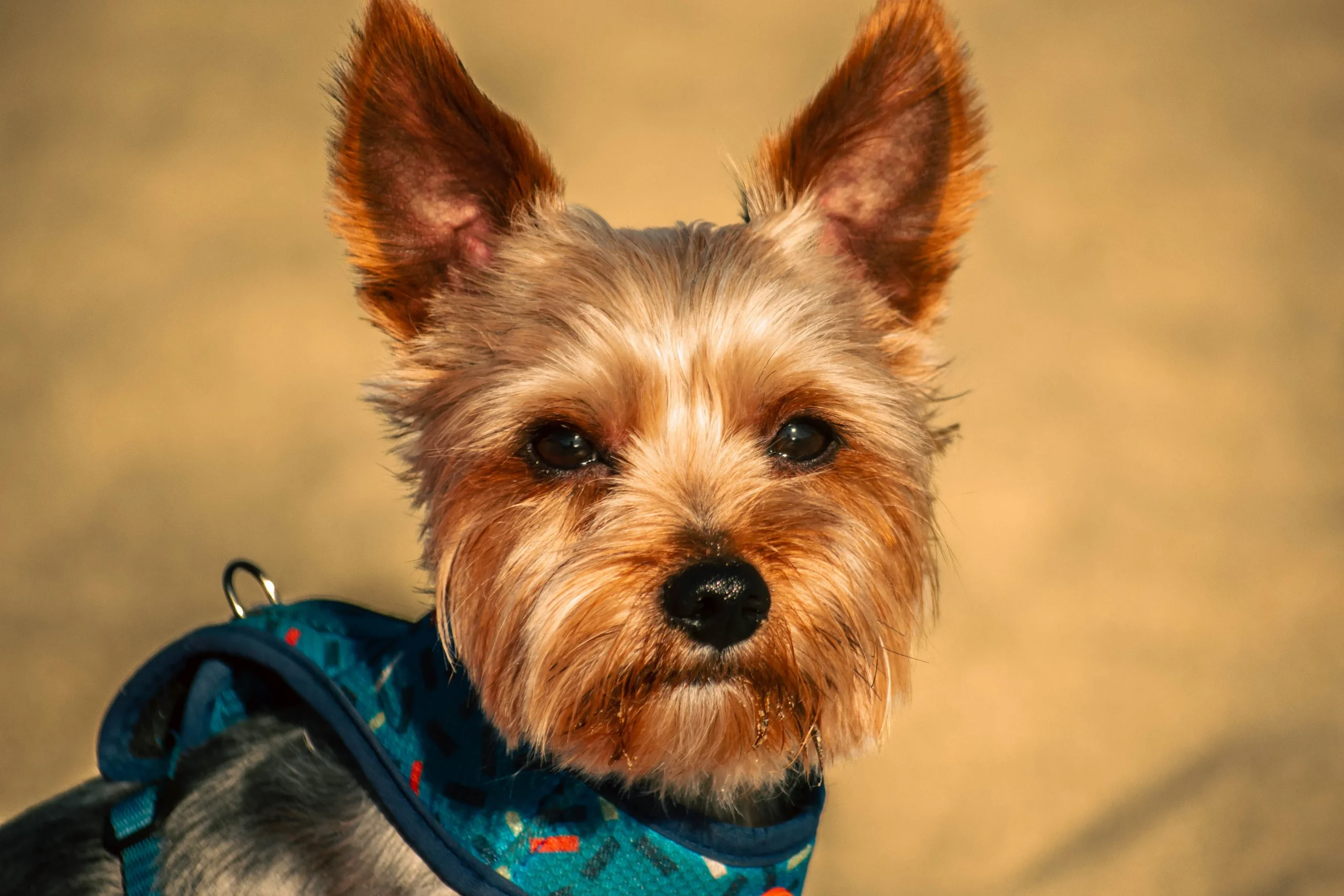
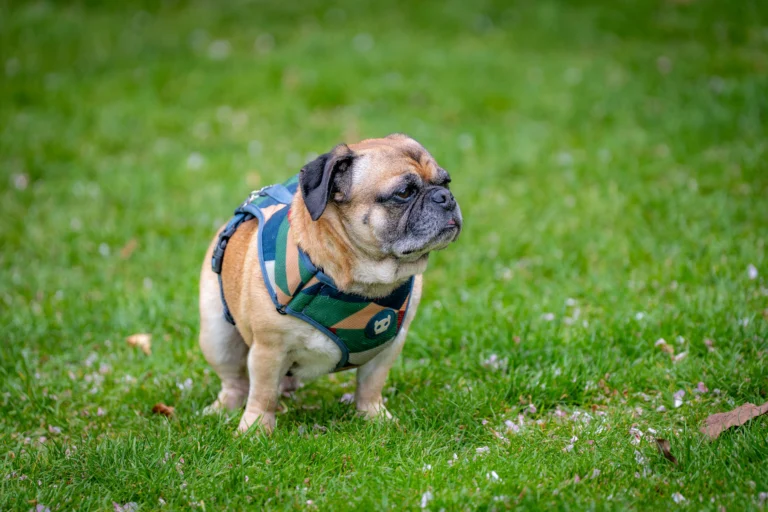
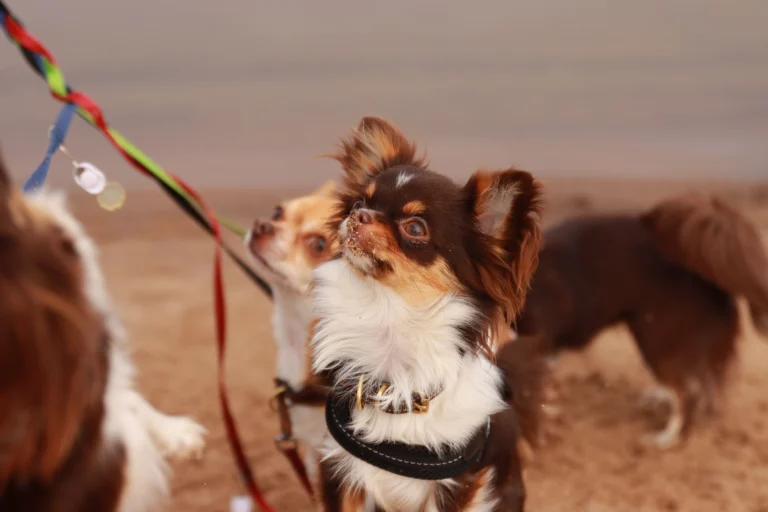
The best no-pull harness for small dogs does two things a generic harness often misses: it redirects pulling through a front-clip attachment, and it keeps pressure off a small dog’s more delicate neck and windpipe. Chihuahuas, Pugs, Dachshunds, and other small breeds pull with real determination despite their size, and a collar alone can strain a small throat in a way a properly fitted harness never will.
Below are five no-pull harnesses sized and built for small dogs, followed by a full buying guide covering sizing, fit, and chafing prevention.
| Product | Best For | Style | Fit Range | Amazon |
|---|---|---|---|---|
| PetSafe Easy Walk Harness | Overall pick | Front clip, martingale loop | Small/Medium | View on Amazon |
| AUNZO Light Dog Harness | No-choke everyday use | Front and back clip vest | Small | View on Amazon |
| TRUE LOVE Adjustable No-Pull Harness | Durable value pick | Front-clip vest, handle | Small | View on Amazon |
| Rabbitgoo No Pull Dog Harness | Budget pick | Vest, front and back clip, handle | Small | View on Amazon |
| Voyager Dual Attachment Harness | Chafe-resistant padding | Dual-clip, padded handle | S (16 to 20 in chest) | View on Amazon |
1. Pet Safe Easy Walk Harness – (Best No-Pull Harness for Small Dogs Overall)
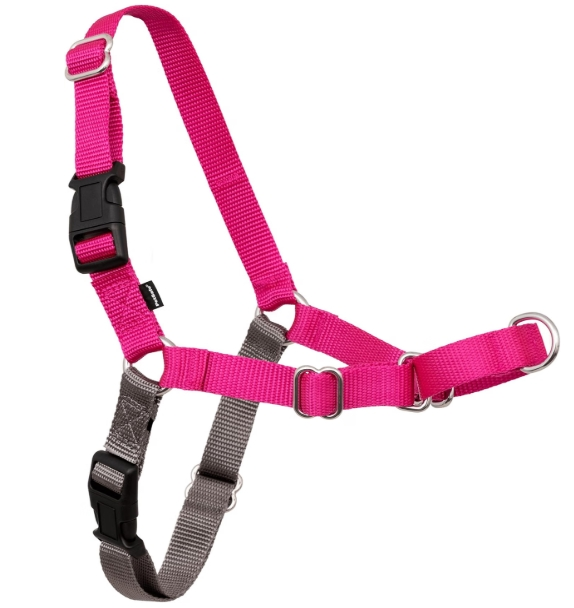

Trusted by trainers since 2004, this harness uses a patented martingale loop at the front chest clip that steers a pulling dog sideways instead of letting them lunge forward. It rests fully across the chest, so pulling doesn’t put pressure on a small dog’s throat the way a collar would.
| Pros | Cons |
|---|---|
| The front-clip redirect produces a genuinely fast, noticeable drop in pulling for most small dogs | Less overall coverage than a padded vest harness, which can lead to underarm chafing on dogs that pull often |
| Rests on the chest instead of the throat, avoiding the gagging risk a collar carries during a hard pull | Front-clip only, with no back-clip option for calm, already-trained walks |
| Color-coded straps make correct fitting straightforward the first time | The chest strap can work loose mid-walk and needs periodic readjustment, and because it sits lower on the chest, a determined chewer left unsupervised can reach it. |
Best for: small dogs with a genuine pulling habit who need a fast, effective correction.
2. AUNZO Light Dog Harness – (Best No-Choke Harness for Everyday Small Dogs)
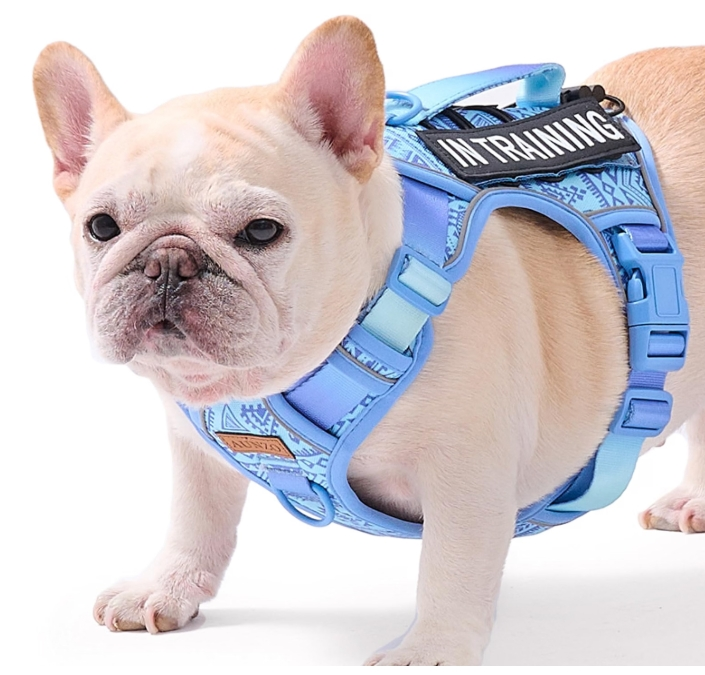
Built specifically for small breeds, this harness uses an additional neck buckle so the whole harness opens flat, avoiding the need to pull anything over the dog’s head. Two metal leash attachments, front and back, let owners switch between no-pull training and relaxed everyday walking.
| Pros | Cons |
|---|---|
| The neck buckle lets the harness open completely flat, which is easier on dogs that dislike over-the-head fittings. | Lighter-duty build than harnesses made for strong or determined pullers |
| Front and back clip options cover both active training and calm daily walks with one harness. | Sizing is small-breed specific, so it will not stretch to fit a medium dog comfortably. |
| Breathable soft mesh fabric stays comfortable across seasons, unlike stiffer nylon-only builds. | Fewer color options than some fashion-oriented competitors |
Best for: small dogs that need both a no-pull option for training and a simple clip for everyday walks.
3. TRUE LOVE Adjustable No-Pull Harness – (Best Durable Value Pick)
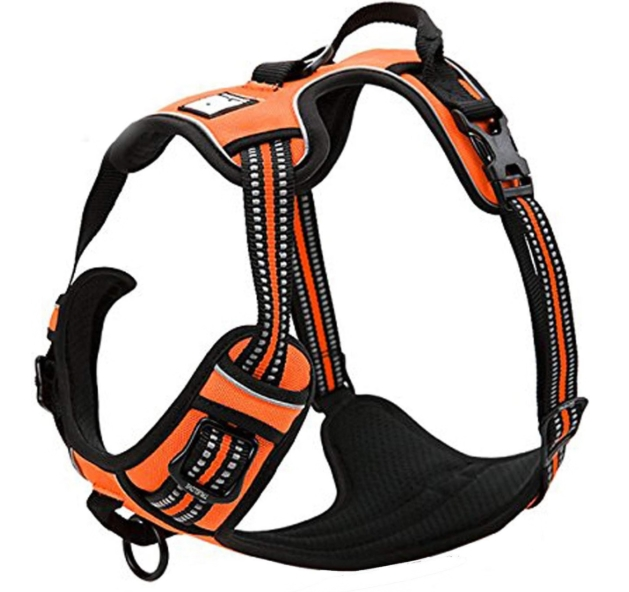
This harness pairs a durable, scratch-resistant Oxford outer layer with two leash attachment points, an aluminum-alloy D-ring on the back and a zinc-alloy O-ring at the chest, giving genuine strength for the price. Double-stitched seams and load-rated buckles hold up to small dogs that pull harder than their size suggests.
| Pros | Cons |
|---|---|
| Construction quality is noticeably above budget competitors at a similar price point | Sizing runs across five bands, so double-checking chest measurement against the chart matters. |
| Two-point leash attachment gives real flexibility between training and casual walks. | The control handle is functional but smaller than dedicated handle-first designs. |
| Soft sandwich mesh lining adds comfort without sacrificing durability. | Color selection varies by size, so a specific shade may not be available in every size. |
Best for: owners who want genuinely durable construction without paying premium-brand prices.
4. Rabbitgoo No Pull Dog Harness – (Best Budget Pick)
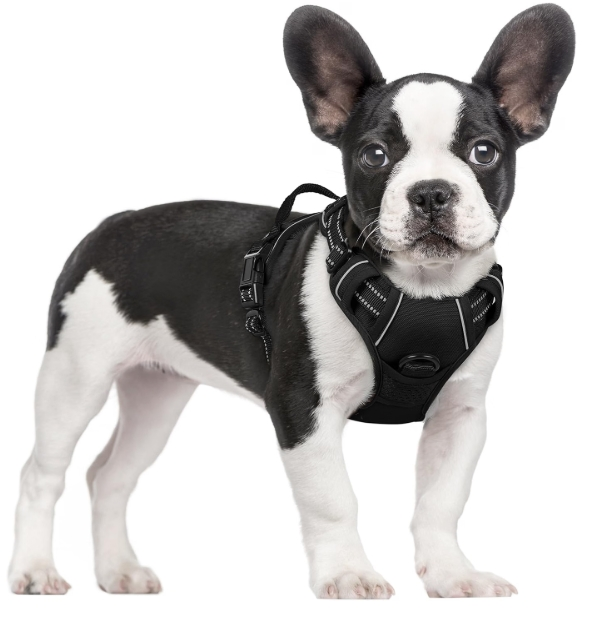
Made specifically for small breeds like Beagles, Dachshunds, Corgis, and Terriers, this harness distributes leash pressure evenly across the chest and shoulders to prevent choking or pulling. A soft padded vest, reflective strips, and a top handle round out the feature set at a genuinely affordable price.
| Pros | Cons |
|---|---|
| Solid no-pull performance for the price, with real front and back clip options | Hardware and padding are a step below pricier picks like PetSafe or TRUE LOVE. |
| A soft padded vest is comfortable for daily wear without excessive bulk. | Over-the-head fitting on some versions can be fussier than a neck-buckle design. |
| The top handle adds real control without paying for a premium brand. | Reflective strips are basic rather than a dedicated night-safety feature. |
Best for: budget-conscious owners who still want a genuine no-pull function for a small dog.
5. Voyager Dual Attachment Harness – (Best for Chafe-Resistant Padding)
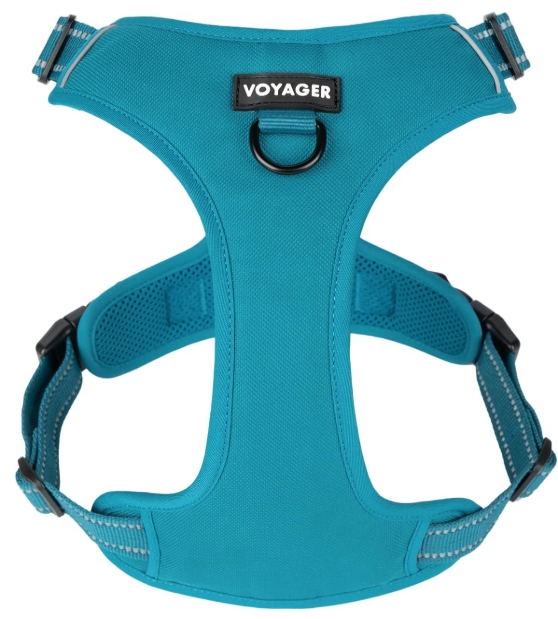
This harness combines front and back leash attachment rings with heavy-duty Oxford fabric and elastic foam lining, which reduces the pressure points that cause chafing on dogs that pull often. A sturdy handle at the back adds extra control, and 3M reflective bands improve visibility on evening walks.
| Pros | Cons |
|---|---|
| Elastic foam lining genuinely reduces chafing better than plain webbing on dogs that pull regularly. | Runs slightly bulkier than minimal front-clip-only designs |
| Dual leash attachment rings give real flexibility between training and casual use. | Sizing has run inconsistently between batches according to buyer reviews, so checking the chest measurement against the current listing matters more than usual. |
| Handle offers a reliable extra grip point without adding significant bulk. | Reflective bands are functional but not as bright as dedicated safety gear. |
Best for: small dogs that pull often and are prone to chafing in plain webbing harnesses.
Buying Guide: How to Choose a No-Pull Harness for a Small Dog
Why Small Dogs Need the Front-Clip Redirect
A front-clip harness works the same way for a small dog as it does for a large one: when the dog pulls forward, the leash attached at the chest steers them sideways instead of letting them drag ahead, which disrupts the pulling habit almost immediately. This matters even more for small breeds, since a determined 15-pound dog can still pull hard enough on a collar to strain a small, delicate throat.
Sizing by Chest Girth, Not Breed
Measure around the widest part of the dog’s chest, just behind the front legs, and match that number to the specific product’s size chart rather than guessing from breed alone. Individual dogs of the same breed, a Chihuahua versus a slightly larger Chihuahua mix, can need different sizes. Once fitted, apply the two-finger test: two fingers should fit comfortably under the harness at both the neck and chest.
Preventing Chafing on Small Frames
Small dogs have less natural padding under the front legs than larger breeds, so a harness with foam or mesh lining under the straps, not just across the chest plate, makes a real difference on dogs that pull often. If chafing becomes a recurring issue on a minimal front-clip design, a padded dual-clip harness like the Voyager pick above may fit better.
Not for All-Day Wear
No-pull harnesses, including several picks above, are generally built for walks and outings rather than continuous, all-day wear. Extended wear can contribute to matting or skin irritation, so most owners remove the harness once the walk is over, keeping a lightweight collar on for ID purposes in the meantime. Our best collars for small dogs guide cover matching picks for that purpose, and our dog collar vs harness comparison explains how the two work together.
Front Clip vs. Dual Clip
A pure front-clip harness does the most active redirecting work and suits dogs with a genuine, consistent pulling habit. A dual-clip harness adds a back attachment for calm walks once training progresses, giving one harness that adapts over time. For a deeper look at how the mechanics compare across sizes, see our best no-pull dog harness guide.
Price
Basic front-clip no-pull harnesses for small dogs typically run $12 to $20. Durable or dual-clip designs usually fall between $20 and $30. Premium padded harnesses with reinforced hardware can run $30 and up.
Conclusion
For most small dogs with a genuine pulling habit, the PetSafe Easy Walk Harness offers the fastest, most reliable correction. Owners who want a no-choke option for both training and everyday walks should look at the AUNZO Light Dog Harness, while those who want durable construction at a fair price will do well with the TRUE LOVE Adjustable No-Pull Harness.
Budget-conscious owners get genuine no-pull performance from the Rabbitgoo No Pull Dog Harness, and dogs prone to chafing are best matched with the padded Voyager Dual Attachment Harness.
Frequently Asked Questions
Q: Do no-pull harnesses work for small dogs?
Ans: Yes, particularly front-clip designs. The chest attachment redirects a pulling dog sideways instead of letting them lean forward, which reduces pulling regardless of the dog’s size.
Q: How do I measure my small dog for a no-pull harness?
Ans: Measure around the widest part of the chest, just behind the front legs, and match that number to the specific product’s size chart. After buckling, two fingers should fit comfortably under the harness at the neck and chest.
Q: Is a harness safer than a collar for a small dog that pulls?
Ans: Yes. A harness distributes leash pressure across the chest instead of concentrating it on the neck, which matters more for small breeds with more delicate throats and windpipes.
Q: Can I leave a no-pull harness on my small dog all day?
Ans: Most brands recommend removing the harness after walks rather than leaving it on continuously, since extended wear can cause matting or skin irritation under the straps.
Q: What is the difference between front-clip and dual-clip harnesses for small dogs?
Ans: A front-clip harness actively redirects a pulling dog and works best for dogs with a consistent pulling habit. A dual-clip harness adds a back attachment for calm, casual walks, giving more flexibility as training progresses.
Q: My small dog is chafing under the front legs. What should I do?
Ans: Check the fit first, since a harness that is too loose or too tight is the most common cause. If chafing continues with a correct fit, a padded dual-clip harness with foam or mesh lining will generally be gentler than a minimal front-clip design.
One Comment